Open a Business Bank Account in Germany as a Non‑Resident
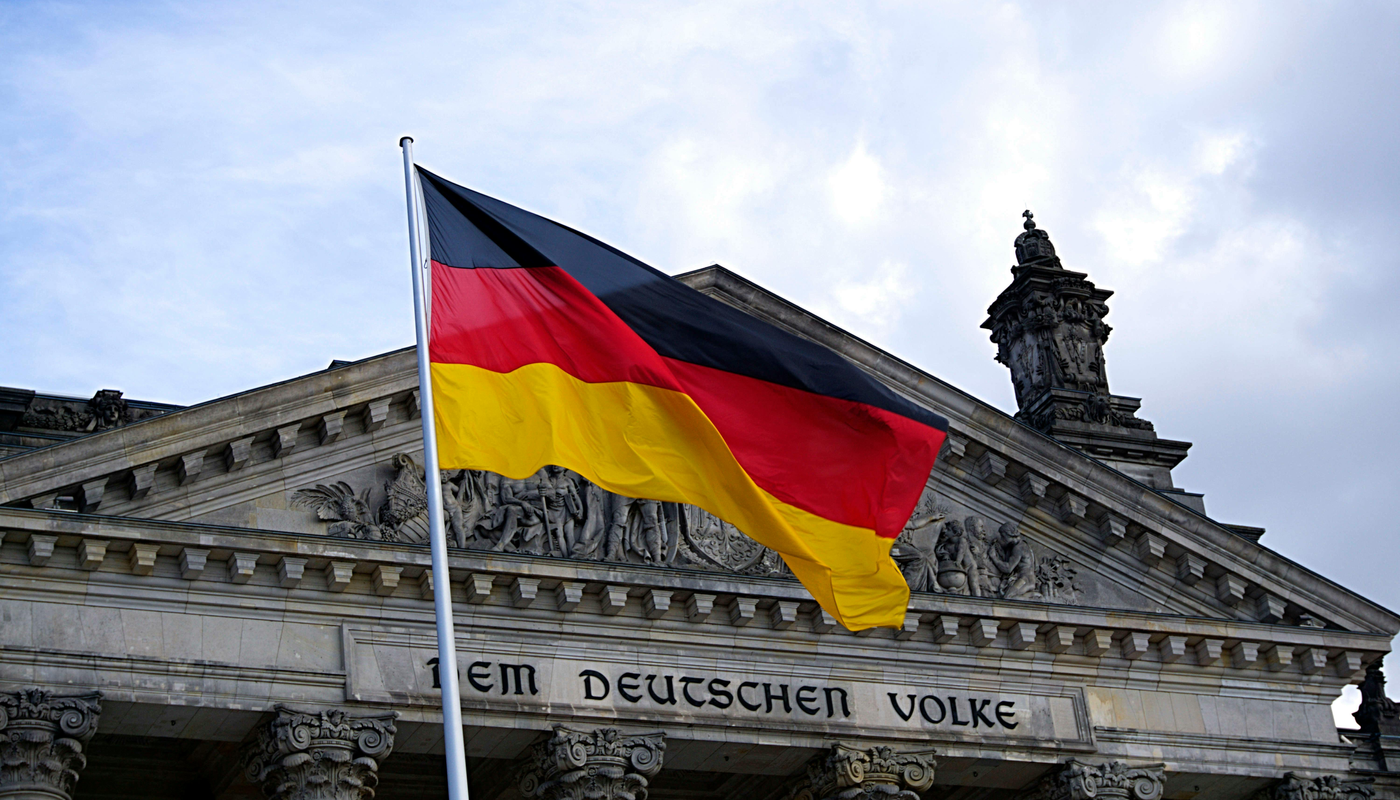
Germany is Europe’s largest economy and a cornerstone of global banking, accounting for roughly 24% of the EU’s GDP and supporting more than 3.5 million active businesses. For founders expanding into Europe, opening a business bank account in Germany offers immediate credibility, direct access to SEPA payment rails and a stable, regulation‑first financial system trusted by banks, investors and counterparties worldwide.
However, opening a business bank account in Germany is not always straightforward. German banks are conservative, with strict KYC and AML rules, in-person onboarding requirements, and cautious policies toward non-resident founders, foreign companies, and high-risk businesses.
Choosing the wrong banking partner can result in significant delays. Applying to banks that do not support foreign ownership often leads to rejections and operational delays. Selecting the right German bank or EMI that matches your company structure, ownership profile and activity is critical to opening a business account in Germany efficiently
This guide explains how to open a business bank account in Germany step by step. It covers eligibility for resident and non‑resident founders, required documents, costs, realistic timelines, traditional banks versus EMIs and proven strategies to improve approval chances for international and high‑risk businesses.
Why Open a Business Account in Germany?
- Access Europe’s largest economy and strongest banking credibility
- SEPA access for fast EUR payments across the EU
- High trust with suppliers, PSPs and investors
- Stable regulatory and legal framework
- Strong support for SMEs, exporters and tech companies
- Multi‑currency and international payment capabilities
With Binderr Marketplace, find top banks in Germany and compare them by onboarding cost and time, monthly fees, minimum balance and eligibility.
Can a Non‑Resident Open a Business Bank Account in Germany?
Yes, non‑resident founders can open a business bank account in Germany, but approvals are far more selective than for resident‑owned companies. Both EU and non‑EU entrepreneurs are eligible to open a business account in Germany, provided the company structure, ownership profile and economic substance align with German banking regulations and risk expectations.
German banks assess applications primarily based on company type and control. Local entities such as a GmbH or UG (haftungsbeschränkt) have the highest acceptance rates, especially when combined with clear commercial activity and EU‑based operations. Branch offices of foreign companies and fully foreign‑registered companies can also open a business bank account in Germany, but scrutiny is higher and documentation requirements are significantly deeper.
For non‑resident founders, common challenges include mandatory in‑person identification, notarised and apostilled documents and detailed source‑of‑funds explanations for all UBOs. Many traditional banks restrict onboarding when directors or shareholders are based outside Germany or the EU, particularly for high‑risk or cross‑border business models.
This is why many international founders use EMIs as a first‑stage or alternative solution. EMIs often allow remote onboarding, faster approvals and greater flexibility for foreign ownership, making them a practical route to securing a functional business account in Germany while navigating traditional banking limitations.
Open a Bank Account in Germany with Binderr
- Find top banks and EMIs in Germany
- Compare costs, fees and processing time
- Review account features and minimum balance requirements
- Filter for remote onboarding and high‑risk sectors
- Apply to multiple providers with one KYC via Binderr ID Wallet
- Track all applications from a single dashboard
Documents Required to Open a Business Bank Account in Germany
Opening a business bank account in Germany requires meeting some of the strictest documentation standards in Europe. German banks expect formally notarised documents, officially issued registry extracts and, in many cases, German‑language versions or certified translations.
For non‑resident founders, foreign documents often require an apostille under the Hague Convention before they are accepted for a business account in Germany.
Personal Documents (For each director, shareholder and UBOs)
- Valid passport for managing directors and UBOs
- Proof of residential address (utility bill or bank statement)
- CV or professional background of UBOs and directors
- Source of Funds (SoF) and Source of Wealth (SoW) explanation, often requested in detail
Company Documents
- Commercial register extract (Handelsregisterauszug)
- Articles of Association (Gesellschaftsvertrag)
- Shareholder register and UBO structure chart
- Business plan outlining activities, markets and transaction flows
- Commercial contracts, invoices or proof of operating activity (if already trading)
Traditional Banks in Germany vs EMIs
Choosing between a traditional bank and an Electronic Money Institution (EMI) is one of the most important decisions when opening a business bank account in Germany. Both options provide EUR accounts and SEPA access, but they differ significantly in onboarding speed, compliance expectations, flexibility for non-resident founders, and tolerance for complex or high-risk business models.
Top Traditional Banks in Germany
Traditional German banks are highly trusted globally, but they are also among the most conservative in Europe. Most require in-person onboarding, extensive due diligence and a clear explanation of ownership, economic substance and transaction flows. Typical onboarding timelines range from 3 to 8 weeks and many banks are restrictive when dealing with non-resident founders, foreign-owned companies or high-risk activities.
Below are the most commonly used traditional banks for opening a business bank account in Germany and where each one is best suited:
- Deutsche Bank
Germany’s largest international bank, offering strong global reach, multi-currency accounts and advanced corporate banking services. Best suited for well-structured GmbH or AG entities with established operations, predictable cash flows and low-to-medium risk profiles. - Commerzbank
A major commercial bank with a strong focus on SMEs and mid-market companies. Typically suitable for businesses with genuine operations in Germany, German-speaking management and straightforward shareholder structures. - UniCredit (HypoVereinsbank)
Part of the UniCredit Group, HypoVereinsbank is attractive for companies with cross-border EU activity. Best for EU-based founders or German companies trading across multiple European markets with transparent financial histories. - Sparkasse (Local Savings Banks)
A decentralised network of regional banks operating under the Regionalprinzip (local principle). Sparkasse accounts are usually limited to companies with a registered office, physical presence and operational activity within the specific district. Generally unsuitable for non-resident founders or companies without strong local substance.
While traditional banks provide long-term credibility, they are rarely the fastest route to opening a business account in Germany for international founders. Many non-resident businesses start with an EMI and migrate to a traditional bank once transaction history, local substance and revenues are established.
Top EMIs in Germany (Electronic Money Institutions)
EMIs provide a practical and increasingly popular alternative to traditional banks when opening a business bank account in Germany, particularly for non‑resident founders, foreign‑owned companies and digitally driven business models. They offer faster onboarding timelines (typically 5–15 days), remote account opening and more flexible risk appetites compared to German banks, while still providing regulated EUR accounts and SEPA access.
Below are some of the most widely used EMIs for opening a business account in Germany, along with their ideal use cases:
- Equals Money: A UK‑based EMI specialising in multi‑currency business accounts and international payments. Well suited for SMEs, trading companies, and cross‑border businesses that need strong FX capabilities and predictable fee structures.
- 3S Money: Known for supporting complex and higher‑risk profiles, including international holding structures and regulated or crypto‑adjacent businesses. Ideal for non‑resident founders who struggle with traditional German banks.
- Fyorin: Designed for businesses with global payment flows, offering multi‑currency IBANs and treasury‑style account structures. Best for companies managing multiple currencies, subsidiaries, or international suppliers.
- Moneybase: An EU‑regulated EMI offering faster onboarding and SEPA access. Suitable for startups, ecommerce businesses, and service companies seeking a straightforward business account in Germany alternative without heavy minimum balance requirements.
- Bankera: A fintech platform combining EMI services with broader financial infrastructure. Often used by digital businesses, fintechs, and crypto‑adjacent companies needing flexible onboarding and international payment rails.
- iBanFirst: A payment‑focused EMI ideal for companies with frequent international transfers and FX exposure. Best for import‑export businesses, trading companies, and firms operating across multiple European markets.
For many international founders, EMIs act as a fast entry point into the German banking ecosystem, allowing operations to start quickly while building transaction history before transitioning to a traditional German bank if required.
Compare Top Banks and EMIs in Germany
- All top German banks and EMIs in one place
- Compare costs, fees and processing time clearly
- Find accounts matching your business needs and balance requirements
- Get approved faster with remote onboarding
- Identify providers open to high‑risk and non‑resident founders
- Track all applications from one dashboard
How Much Does It Cost to Open a Business Bank Account in Germany?
The cost of opening a business bank account in Germany varies widely depending on whether you choose a traditional bank or an EMI, your residency status and your risk profile. While some low‑risk companies can open accounts with minimal upfront fees, non‑resident founders and higher‑risk businesses should budget for setup fees, monthly charges and transaction‑level costs.
| Cost Component | Typical Price Range | Description |
|---|---|---|
| Account opening / setup fee | €0 – €1,500 | One-time onboarding fee. EMIs usually charge a setup fee, while some banks waive it for low-risk German entities. |
| Monthly maintenance fee | €10 – €300+ | Fixed monthly account fee depending on account tier, services, and compliance requirements. |
| Minimum balance requirement | €0 – €100,000 | Traditional German banks often require higher balances, especially for non-resident or foreign-owned companies. |
| SEPA transaction fees | €0 – €5 per transfer | Fees for EUR payments within the SEPA zone; often bundled or discounted at higher volumes. |
| SWIFT international transfers | €10 – €50+ per transfer | Applies to non-EUR or non-SEPA payments; costs vary by destination and currency. |
| FX conversion margin | 0.5% – 3% | Applied when converting currencies; EMIs often offer more competitive FX rates. |
| Compliance / review fees | €0 – €500+ | Additional due-diligence or enhanced compliance checks for non-resident or high-risk profiles. |
| Additional user or sub-account fees | €0 – €50+ per user | Charges for extra users, IBANs, or sub-accounts used for treasury or multi-entity setups. |
Estimated Total Cost Scenarios (Germany)
- Low‑risk German GmbH / UG (bank): €50–€300 upfront, €15–€80 per month
- Non‑resident or international company (EMI): €0 setup, €0–€300 per month
- High‑risk business (EMI): €100–€5000 setup, €200–€750 per month
How Long Does It Take to Open a Business Bank Account in Germany?
Timelines for opening a business bank account in Germany depend heavily on your residency status, company structure and risk profile. Traditional German banks prioritise low‑risk, locally operated companies and often require in‑person verification, which slows the process for non‑resident founders. EMIs, by contrast, offer significantly faster onboarding through remote KYC and streamlined compliance checks.
- Low‑risk German GmbH / UG (bank): 2–4 weeks
- Non‑resident founders and UBOs (bank): 4–8 weeks
- High‑risk business models (bank): 8–12+ weeks (often rejected)
- Complex ownership structures: 6–10 weeks
- EMI alternative: 5–15 business days
Ready to Open a Business Account in Germany?
- Open accounts faster without endless paperwork
- Transparent costs and fees across providers
- One KYC for multiple applications
- High‑risk banking support
- Remote onboarding for non‑resident founders
- Central dashboard for full visibility
How to Open a Business Bank Account in Germany
Opening a business bank account in Germany requires a structured, compliance‑first approach. German banks and EMIs assess applications based on company type, ownership, risk profile and documentation quality. Below is a detailed, step‑by‑step breakdown showing how founders can open a business account in Germany efficiently and with higher approval odds.
Step 1: Identify Your Company Type and Risk Profile
German banks evaluate applications very differently depending on legal form, ownership structure and the nature of your commercial activity. This initial assessment effectively determines whether your application will be considered by a traditional bank or whether an EMI is the more realistic route for opening a business bank account in Germany.
Banks typically categorise applicants across three core dimensions:
- German entities: GmbH, UG (haftungsbeschränkt), AG, which generally enjoy the highest acceptance rates when paired with local substance and low-risk activities.
- Foreign structures: EU companies, non‑EU companies and German branch offices, which face additional scrutiny around control, tax presence and cross‑border transaction flows.
- Risk level: low (consulting, SaaS, IT services), medium (e‑commerce, trading, logistics), high (crypto‑adjacent, fintech, gaming, payment services).
Clearly defining your legal structure, ownership chain and operational risk level allows you to realistically assess which providers will accept your application and prevents wasted time applying to banks that will not onboard your profile.
Step 2: Decide Between a Traditional Bank or an EMI
Choosing the right provider is one of the most important strategic decisions when opening a business account in Germany and it should always be done before submitting any application.
- Traditional banks are best suited for low‑risk GmbH or UG companies with German economic substance, local directors and predictable transaction patterns.
- EMIs are often the preferred option for non‑resident founders, foreign‑owned companies and businesses that require faster onboarding or remote account opening.
- Applying to the wrong provider is one of the most common reasons a business bank account in Germany gets delayed or rejected, as banks rarely redirect unsuitable applications.
Making this decision early ensures your documentation and compliance narrative are aligned with the expectations of the selected provider.
Step 3: Prepare Bank‑Ready Documentation
German banks expect documentation to be complete, accurate and professionally structured from day one. Incomplete or poorly prepared documents are a leading cause of delays when opening a business account in Germany.
Key preparation points include:
- Notarised and, where required, apostilled corporate documents
- A current Handelsregisterauszug and Gesellschaftsvertrag issued in German
- A clear UBO structure chart showing ownership percentages and control
- A concise but detailed business description covering customers, markets, revenue sources and expected transaction volumes
Strong, well‑organised documentation significantly improves approval speed and reduces follow‑up compliance questions.
Step 4: Complete KYC, KYB and Compliance Checks
All managing directors and UBOs must pass strict identity, background and risk checks before a business bank account in Germany can be approved.
This stage usually includes:
- Passport and proof of address verification for all relevant individuals
- Detailed Source of Funds (SoF) and Source of Wealth (SoW) explanations
- Clarification of transaction flows, counterparties and jurisdictions involved
- Enhanced due diligence for non‑resident founders, foreign shareholders or higher‑risk activities
Prompt, clear and consistent responses during compliance reviews play a critical role in avoiding delays or rejection.
Step 5: Approval, Account Activation and Payment Setup
Once compliance checks are completed and approval is granted, the focus shifts to operational readiness and account configuration.
This final stage typically includes:
- IBAN issuance and formal account activation
- Setting up user roles, permissions and online banking access
- Configuring SEPA payments, international transfers and FX services
- Integrating the account with accounting software, payment processors or treasury systems
After activation, your business account in Germany is fully operational and ready to support day‑to‑day business transactions, payroll and cross‑border payments.
How to Improve Approval Chances When Opening a Business Bank Account in Germany
Improving approval chances for a business bank account in Germany comes down to preparation, alignment and choosing the right banking partner. German banks and EMIs prioritise transparency, economic logic and risk control. A proactive strategy can significantly reduce delays and rejection risk, especially for non‑resident founders and international companies.
Key tips:
- Prepare a clear business model and transaction flow: Clearly explain what your company does, who your customers are, where payments come from and how money moves in and out of the account. Vague or inconsistent explanations are one of the fastest ways to trigger rejection.
- Demonstrate economic substance and EU nexus: Show real commercial ties to Germany or the EU, such as local customers, EU suppliers, contracts, employees or operational partners. Even for non‑resident founders, visible substance improves acceptance for a business account in Germany.
- Provide clean UBO, SoF and SoW documentation: Ensure ownership structures are transparent and easy to understand. Source of Funds and Source of Wealth explanations should be logical, documented and consistent with the scale of the business.
- Avoid applying to misaligned banks: Many German banks simply do not onboard non‑resident founders, foreign companies or high‑risk sectors. Applying blindly increases rejection history, which can negatively impact future applications.
- Use EMIs strategically when banks are restrictive: EMIs often provide faster onboarding, remote KYC and greater flexibility. They can be used as a primary operating account or as a first step before transitioning to a traditional German bank once transaction history and substance are established.
Bottom Line
Opening a business bank account in Germany gives your company immediate credibility in Europe’s most powerful economy, but it is not a one‑size‑fits‑all process. Strict compliance standards, conservative banking policies and higher scrutiny for non‑resident founders mean that choosing the wrong bank can result in long delays or outright rejection.
The most successful founders approach German business banking strategically. They understand when a traditional bank makes sense, when an EMI is the smarter entry point and how to present a bank‑ready profile that aligns with German risk and compliance expectations. Comparing providers before applying, preparing documentation properly and targeting banks or EMIs that actually support your structure dramatically improves approval speed and long‑term banking stability.
With the right onboarding strategy, opening a business account in Germany becomes a competitive advantage rather than a bottleneck, enabling seamless SEPA access, trusted international payments and scalable operations across the EU.
Find and compare top banks and EMIs in Germany and open a business account today.